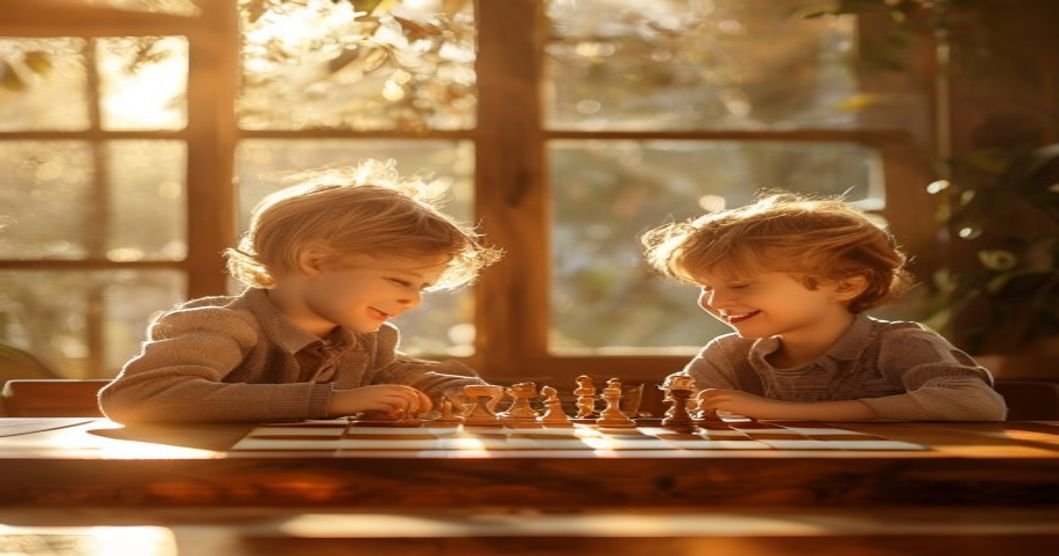
Chess for Kids: A Fun Way to Boost Brainpower and Critical Thinking Chess for kids isn't just a game—it's a powerful tool to enhance cognitive abilities, improve problem-solving skills, and foster creativity. Starting as early as age 4 or 5, children can benefit from learning chess through structured lessons, interactive games, and engaging activities. Studies show that kids who play chess regularly score higher in math, reading, and logical reasoning. Whether your child is a beginner or showing early talent, chess builds confidence, patience, and strategic thinking that lasts a lifetime. Why Should Kids Learn Chess? Introducing chess to kids at a young age offers long-term cognitive and emotional benefits that extend far beyond the board. Here’s why parents and educators are embracing chess as a vital learning tool: 1. Sharpens Problem-Solving Skills: Chess teaches children to analyze situations, think ahead, and make informed decisions. Every move requires evaluating consequences, mirroring real-life challenges. 2. Enhances Memory and Concentration: Memorizing chess openings, tactics, and board patterns strengthens memory and focus. Kids learn to stay attentive during play, a skill that translates to academic settings. 3. Builds Resilience and Patience: Unlike fast-paced video games, chess rewards patience and persistence. Children learn that mistakes are learning opportunities, not failures. 4. Promotes Creativity and Imagination: While chess follows rules, mastering openings like the Italian Game or Sicilian Defense encourages creative play and original strategies. 5. Boosts Confidence Through Achievement: Winning a match or solving a tactical puzzle delivers a sense of accomplishment, motivating kids to set and reach goals. 6. Encourages Sportsmanship and Social Skills: Chess fosters respect, humility, and communication—essential traits for personal and academic success. In a 2022 study published in Frontiers in Psychology, researchers found that children who played chess for at least 12 months showed a 30% improvement in problem-solving and mathematical reasoning compared to their peers. At What Age Should Kids Start Learning Chess? Parents often wonder: “Is my child too young for chess?” The answer is—never too early. While formal instruction typically begins around age 6 to 8, children as young as 4 or 5 can start building foundational skills through simplified games and visual learning. Age-Appropriate Chess Learning Guidelines: Ages 4–5: Use large, colorful chess pieces and teach the names and movements (e.g., “knight jumps in an L-shape”). Play “capture the flag” with pawns to introduce capturing. Focus on fun, not rules. Ages 6–7: Introduce basic rules, checkmate patterns, and simple puzzles. Use storytelling (e.g., “The king is in danger—can you save him?”) to keep engagement high. Ages 8–9: Start teaching openings, endgames, and tactical motifs like forks and pins. Encourage participation in school clubs or online platforms. Ages 10+: Students can dive into advanced strategies, analyze grandmaster games, and participate in tournaments. Many top chess coaches recommend using the “10,000 Hour Rule” concept—starting early gives kids a head start in developing intuitive pattern recognition and calculation skills. How to Teach Chess to Kids: Effective Strategies for Parents and Educators Introducing chess should be joyful, not stressful. Here’s a step-by-step approach to make learning accessible and fun: Start with the Basics Using Visuals Use a physical board with large, tactile pieces to help young learners understand movement. Pair each piece with a relatable analogy: Pawn: The brave “foot soldier” that moves forward one square. Rook: The “castle tower” that moves straight in all directions.